Worldbuilding Without the Overwhelm: A Practical Guide for Fiction Authors
One of the most engaging parts of writing fiction is the act of creation itself—dreaming up entire worlds from scratch or reshaping familiar ones with a unique twist. But for some authors, worldbuilding quickly shifts from exciting to exhausting. Where do you begin? And how much do you need to know before writing your first sentence?
Whether you’re crafting a sprawling fantasy realm, a distant galaxy, or a fictional town nestled in modern America, the truth is this: you don’t have to build everything at once. Worldbuilding should serve your story—not the other way around.
Here are some practical, easy ways you can approach worldbuilding to strengthen your writing.
Start Small—Build Only What You Need
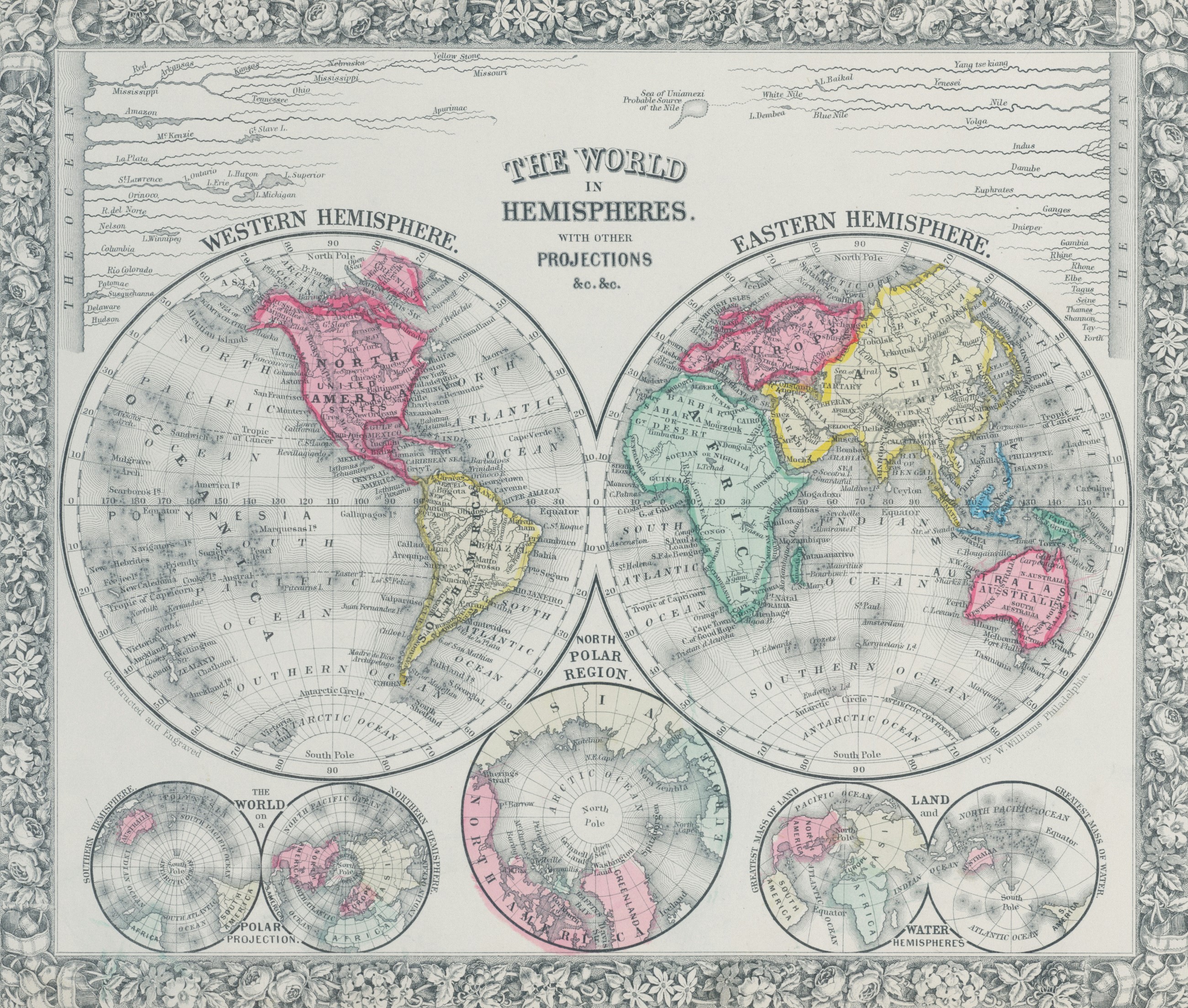
It’s often fun to build whole histories, maps, and political alliances before you write a single word. That’s what I did when writing Twin Worlds in 2015, but I had little choice. As I may have mentioned, I wrote Twin Worlds with only a mental outline. And because I had several ideas that related to political alliances, and long standing conflicts in space, I felt I had to flesh out some of those conflicts before beginning. That was likely a mistake, and slowed my writing down.
In fact, unless you’re working on a full-scale magnum opus, much of that won’t even make it into your story. Instead, begin by asking:
- Where does the story start?
- What do my characters interact with first?
- What makes this world different from the real one (if anything)?
If you’d like a template to help your worldbuilding, Reedsy offers one.
Build As You Go
Another strategy is to build your world as you write. As your characters move through their world, flesh out what they see, hear, and experience. When you need to highlight an event that results from a long-standing conflict, create it then. One of my upcoming projects is a western trilogy. But I’ve been stuck getting started because I’m not well-versed in the Old West of the 1880’s. However, a colleague of mine told me to “write the novel, then make sure it fits reality, rather than the other way around.” Just hearing that strategy gave me an energy for my western project that I haven’t had in years.

Use The Five Senses
Worlds are more vivid for our readers when we help engage them through every sense. When readers can smell the odd foods being cooked, or feel the heat of blazing asphalt through their thin shoes, they’re transported to our fictional worlds. These details allow readers to imagine themselves walking with your main characters, feeling what they feel.
Sensory details ground the reader and gives the impression of a fully realized world without requiring massive exposition. These details can include smells, clothing styles, architecture, music, weather patterns—details that make the setting feel alive and inhabited. The uniforms the news media wore in Desert Son is a good example of a distinctive clothing style for the planet featured in the novel.
Go Deeper
Once you’ve set the basic tone for your novel, improve your worldbuilding by fashioning more relevant details that support your story.
Think about:
- Culture: What do people value? What do they fear? How do they celebrate?
- Economy: What jobs exist? What’s rare or expensive? Who holds power?
- Belief systems: Do they worship gods, ancestors, science, or nothing at all? How do these beliefs influence laws, relationships, or conflict?
Adding these details—like the religious structure in the upcoming Scarlet Moon novel—can give your story depth and texture to keep your reader engaged.

Avoid the Infodump
The biggest pitfall in worldbuilding is the infodump. These are long paragraphs that explain your world in detail, pulling your readers away from the story. Sometimes you need to explain stuff: but when it extends for page after page, you may lose your readers.
A better method is to have your world revealed as your characters encounter it, such as key characters consuming unique food and drink from a new planet. Or, you can have minor characters reveal a city’s tension through a street protest, not a lecture.
In other words, when you need to include background information, weave it in gradually. Your readers will get it.
Be Consistent
Readers will forgive a world that’s complicated, as long as it’s consistent. But when rules contradict themselves or details shift without explanation, readers revolt.
I recommend keeping a “worldbuilding bible” as you write—a simple document where you track names, locations, systems, timelines, and key facts. This helps avoid accidental contradictions and makes revision easier later. I use a spreadsheet to track my worlds. That’s also how I kept track of streets, neighborhoods and addresses in my Stephanie Hart and Mitchell Street novels. It works!
Conclusion
A well-built world acts as more than just background. It shapes your characters, influences your plot, and sets the tone for your story. As a result, remember to treat your world as a living, breathing presence.
And again, you don’t need to build everything at once. Build just enough to serve your story—and trust that the rest will come.
Happy writing!
