
If you’ve ever written something, be it a short story, poem or essay, you’ve probably heard this advice: “Don’t edit while you write!” The theory is that writing without editing lets your words flow and gets you in the “zone” where your real creativity surfaces. That’s how I write.
But at the last Brain to Bookshelf conference by the Maryland Writers Association, our featured speaker—Reed Farrel Coleman—said just the opposite. Essentially, Coleman said that editing as you go keeps your ideas organized and prevents the whole thing from falling apart.
So, which path should you follow? Here’s a wonderfully precise response: it depends.
Why I “Just Write”
There’s a reason the “write first, edit later” advice is so popular. When you’re drafting, your job is to get ideas out of your head and onto the page. For me, the creative flow can be fragile: even responding to a brief text or stopping to fix every typo can shut it down fast.
Cognitive psychologist Ronald Kellogg, who wrote The Psychology of Writing, explains that writing and editing use different mental muscles. Trying to do both at once overloads your brain. This results in you losing momentum and second guessing yourself. One of my friends/ former colleagues started a novel a few years ago for NaNoWriMo. She made great progress for a few days, then got stuck by “making it perfect.” Sadly, she hasn’t finished that book (yet!), and I believe one reason is her insistence on editing as she wrote.
That’s why so many authors champion the idea of messy first drafts. Some even brag about how messy and terrible they are as a badge of honor. And while I wouldn’t go that far, writing without regard for quality, then rewriting it later works well for me.
Creative Flow
When I write without editing, I’ve created entire paragraphs and passages that flow nicely and add to my stories, yet I didn’t plan them. It takes about twenty minutes for me to get “in the zone,” but once I’m there, dialogue, narrative and descriptions come seemingly out of nowhere. Yet, on those occasions when I stop, and go back to change awkward wording, I fall out of the zone. And getting back into it is tough. I’m obviously a big fan of write now, edit later.

But Editing as You Go Has Its Fans, Too
Of course, not every writer is happy creating a draft that they sense will be full of awkward sentences and plot holes. Coleman is one of those authors. As a professional who makes his living through his writing, Coleman writes almost every day of the year. Further, he edits and make changes every day as well. He told the conference attendees that after writing his first draft and editing as he goes, he can send the completed manuscript to his publishers. And, he assured us, they make very few changes in what he writes. That’s impressive.
I’ve read that Stephen King starts each day by rereading and lightly editing the previous day’s work before continuing. This keeps his story consistent and helps him reenter the world he’s building.
And there’s a practical upside: editing as you go can save some authors from huge rewrites later. A “fast draft” might get you to the end sooner, but if it’s full of contradictions and pacing issues, the cleanup can feel overwhelming. And as psychologist K. Anders Ericsson’s research on expertise suggests, immediate feedback—even small corrections while you work—can strengthen writing skills over time. This is one benefit of the edit as you go approach.
What Should You Do?
Obviously, you should find what works best for you. There’s no need to choose between the extremes, any more than you have to be a pantser or a planner. (By the way, Coleman is a total pantser and I’m a planner. That may account for some of the differences between our styles.)
For most of us, it isn’t one or the other, but a combination of both. And you can find a way to incorporate free-wheeling writing and measured editing to find your sweet spot.
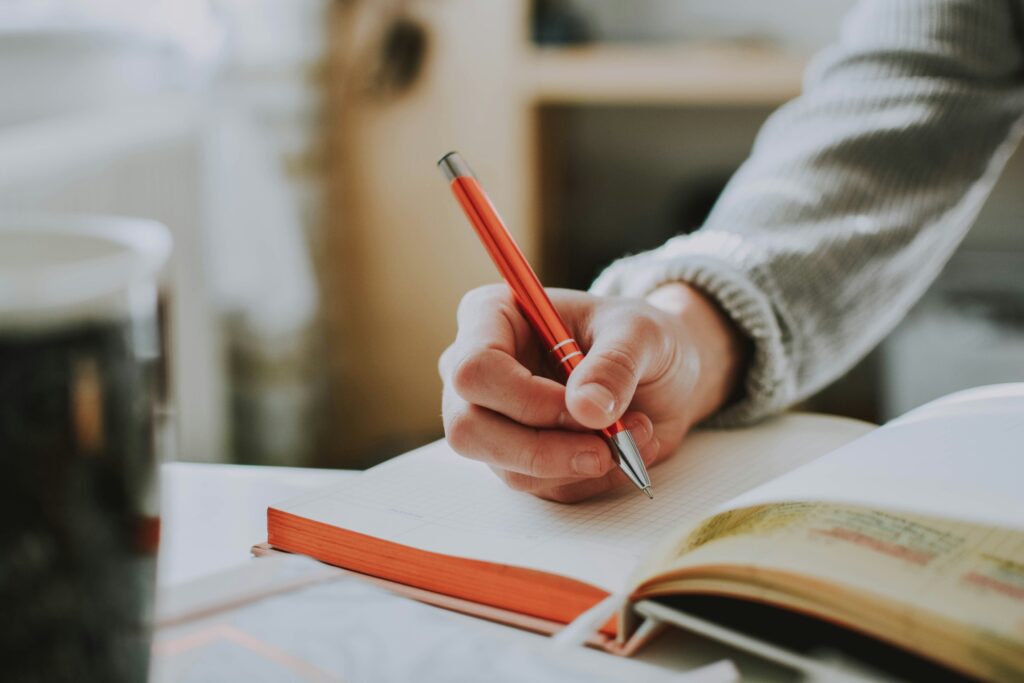
A Few Tips
You could…
– Set “drafting time” and “editing time.” Spend the first part of a writing session drafting. Follow that with 10–15 minutes of editing and polishing
– Do light clean-up after each session. This is what I do. I type quickly, but make plenty of mistakes. Once I transfer the writing from my Neo2 to the laptop, I go through and fix the typos and make a few word choice changes. What I don’t do is go back and rewrite a previous chapter. Plenty of time for that later.
– Go distraction free if you can. Distraction-free writing programs like Scrivener or FocusWriter can help you stay in flow. When you’re ready to edit, you can switch to your usual word processor if necessary.
– Start or end each session by rereading a little. Like Stephen King, you can use a short review to get back into the story next time. Just don’t get stuck reworking the same page forever.
The Real Goal: Keep Going
In the end, it doesn’t really matter whether you edit as you write or wait until the end—as long as you finish. Ernest Hemingway supposedly said, “The only kind of writing is rewriting.” Every good piece of writing goes through both stages: a burst of creation and a period of careful shaping.
The trick is figuring out which kind of work you need today. Maybe it’s a day to let your imagination wander. Or maybe it’s a day to slow down and polish what you’ve already built. Both are essential parts of the same creative process. In short, don’t worry about what the “rules” say. Find your own rhythm — one that lets you get words on the page and helps you enjoy the journey along the way.
