
We all feel it as writers: the need for dialogue that moves our readers through our works, waiting with baited breath for the next scene. The truth is that while dialogue isn’t the only essential element of our work, it’s often what grabs the attention of our readers. Good dialogue isn’t a transcript—it’s a performance. It carries subtext, reveals character, and pushes the story forward even when nothing else is happening.
Give Every Character a Distinctive Voice
When created properly, readers should be able to tell who’s speaking without checking the dialogue tag. When I’m creating dialogue for any of my protagonists and major bad guys, that’s clearly the case. By using vocabulary, sentence length, and rhythm, readers can tell who’s speaking. Further, they’re learning about the character’s personality, worldview and habits by the way they speak.
With non-main characters, it still matters. For example, a carpenter and a college professor shouldn’t sound interchangeable just because they’re discussing the same plot point. I’d suggest reading dialogue aloud with the names removed—if you can’t tell who’s talking, the voices need more differentiation.
Reduce the Small Talk
Real conversation is full of greetings, filler, and pleasantries. We engage in these things naturally. But in fiction, too much small talk slows down the action. Essentially, any dialogue that doesn’t advance the story can be eliminated. Sometimes that kind of dialogue helps to define a character, or when a protagonist is making first contact with a person of interest. In those cases, the small talk serves a purpose—it’s moving the scene toward its goal. If it doesn’t do that, let it go.
Natural Dialogue is Often Interrupted
How many times have you engaged in a lively discussion with someone where one of you didn’t interrupt the other? That’s how many of us engage with our colleagues. People cut each other off, talk over one another, and trail into silence. While writing dialogue, you can use an em dash for an interruption or an unfinished sentence, or allow some silence or apprehension creep in: that’s natural in dialogue, too. And it often reveals more about your characters. While some authors say fictional dialogue shouldn’t sound the way people actually talk, I disagree. Interruption that moves the story or character development along is what you want.

Use Action Rather than Adverbs
“I’m fine,” she said angrily tells us less than “I’m fine,” she said, snapping her pencil in half. I find that how someone speaks, and the body language or facial expressions that accompany it—can be more valuable than using an adverb. Adverbs can serve a purpose, I’d argue, but they aren’t nearly as colorful as action.
And at least two masters of the craft—Stephen King and Ursula K. LeGuin—make it clear that we should show feeling through behavior, not adverbs.
Vary Sentence Length
When the tension is climbing in my novels, dialogue exchanges are clipped, since the characters don’t have the time for lengthy explanations. In other words, it’s time for action, not yapping.
On the other hand, longer exchanges allow for reflection and lets characters reach new conclusions, such as when characters put the pieces together to identify a criminal. Mixing both within a scene—or at least within a chapter—keeps readers engaged.
Read it Aloud–Every Single Time
As simple as this sounds, it is one of the most repeated pieces of advice from book coaches. When you read something through, you’ll hear awkward phrases or repeated words or sounds that just don’t work. Many readers “read” by repeating the words in their minds. And just as an awkward phrase will trip you as you read it aloud, it will trip your reader’s inner voice too.
Respect Genre Conventions–Then Bend Them
Dialogue in a hard-boiled crime novel should sound different from dialogue in a literary family drama or an epic fantasy. That’s a challenge I have while working in multiple genres. Think about the “techno-babble” of Star Trek compared to dialogue within a Mike Hammer novel. You’ve got to know the dialogue conventions of your genre to be effective and successful. On the other hand, when you break these conventions—judiciously—you can bring in a new element to a character. I used to watch NCIS religiously, and noted that the Gibbs character, while the central character in the show, spoke in very short sentences. On those few occasions when he didn’t, I would sit up and wonder “what’s going on here?” and wanted to know more.
Final Thoughts
Creating dialogue that does everything you want doesn’t happen by accident. It comes from listening—to real people as well as your characters—and from an understanding of how to move your story along. I’ve changed the dialogue for all of my protagonists when I realized “She wouldn’t say that.”
Writers also need the strength and discipline to remove whole swatches of dialogue that doesn’t more the story along. I also suggest extensive reading in your primary genre to gain a better understanding of how dialogue defines works in that genre and let that be your guide.
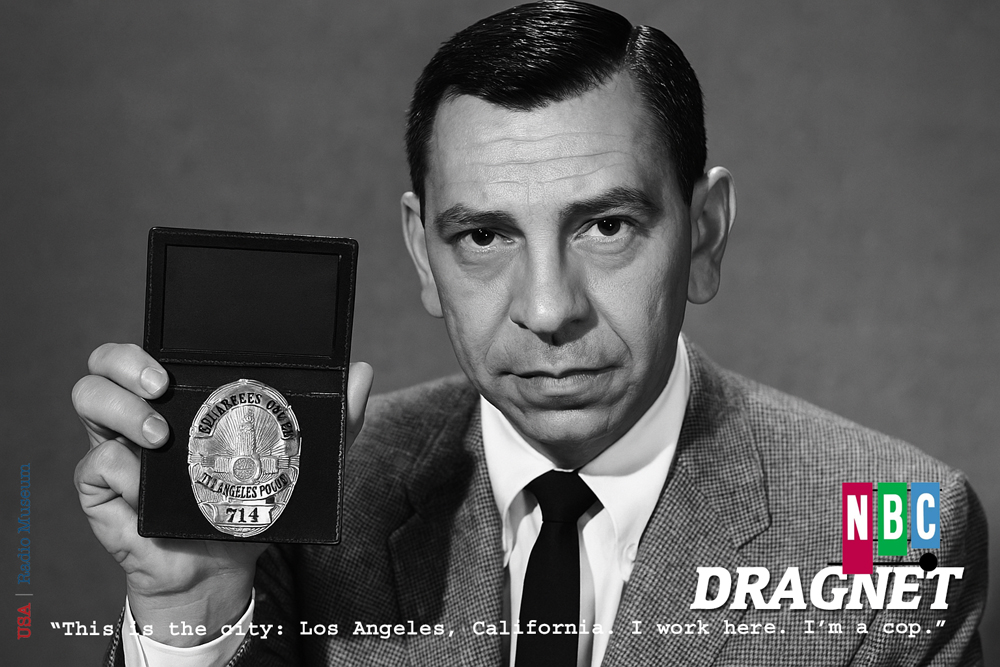
As Joe Friday might say on Dragnet: “just the facts, ma’am.”
